

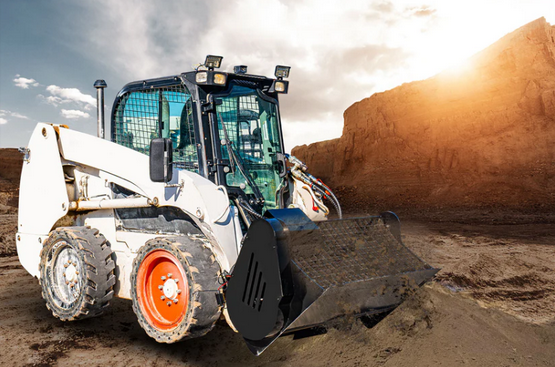
Skid steer attachments are essential tools for many construction and landscaping projects. Among the most sought-after attachments are the skid steer land leveler and the skid steer cement mixer. These versatile machines can help you save time and money while boosting the overall efficiency of your projects. Whether you’re leveling land for construction or mixing concrete for your next job site, these tools are a game-changer.
In this comprehensive guide, we’ll dive deep into both the skid steer land leveler and the skid steer cement mixer, exploring their benefits, how to use them, and what you need to know when choosing the best options for your needs.
What is a Skid Steer Land Leveler?
A skid steer land leveler is a heavy-duty attachment designed to provide a smooth, even surface on construction and landscaping sites. It is primarily used for leveling soil, gravel, and other loose materials, making it perfect for preparing land for building or landscaping projects.
Benefits of Using a Skid Steer Land Leveler
-
Efficiency: Leveling land with a skid steer land leveler is far quicker than traditional manual methods. It saves time and labor costs, allowing workers to complete jobs faster.
-
Precision: The skid steer land leveler provides more accurate results than using a shovel or grader, which is essential for ensuring your site is perfectly level.
-
Versatility: It can handle various materials like sand, soil, gravel, and crushed stone, making it an adaptable tool for multiple projects.
-
Cost-Effective: By speeding up the leveling process, you save both time and money, increasing your project’s overall profitability.
How to Use a Skid Steer Land Leveler
Using a skid steer land leveler is relatively simple, though it’s important to follow a few basic steps:
-
Mount the Attachment: Ensure that the skid steer land leveler is securely attached to your skid steer loader.
-
Adjust the Blade: Most models come with adjustable blades to suit different terrain types. Set the blade to the desired angle for your project.
-
Drive Across the Site: Move the skid steer across the land, ensuring the leveler clears the surface evenly. The skid steer’s speed should be consistent to achieve a smooth finish.
Choosing the Right Skid Steer Land Leveler
When choosing a skid steer land leveler, consider the following factors:
-
Size: Choose a model that matches the size of your skid steer for optimal performance.
-
Blade Material: Heavy-duty steel or hardened materials are ideal for tough jobs and long-lasting use.
-
Adjustability: Ensure the leveler has adjustable blades to cater to different types of projects and surfaces.
What is a Skid Steer Cement Mixer?
A skid steer cement mixer is an attachment that allows you to mix concrete directly on the job site. It is designed to attach to the skid steer loader and efficiently mix and dispense concrete, reducing the need for multiple machines and improving productivity.
Benefits of Using a Skid Steer Cement Mixer
-
On-Site Mixing: The skid steer cement mixer eliminates the need to transport pre-mixed concrete to the job site, saving time and transportation costs.
-
Consistent Mixing: With a reliable mixing system, you get a uniform mix every time, ensuring strong and durable concrete.
-
Versatility: It’s not just for concrete – you can mix other materials like sand, mortar, and grout with the same attachment.
-
Time-Saving: By mixing concrete on-site, you can keep your workflow consistent and avoid delays from waiting for delivery or mixing in a separate machine.
How to Use a Skid Steer Cement Mixer
To effectively use a skid steer cement mixer, follow these steps:
-
Attach the Mixer: Mount the skid steer cement mixer securely onto your skid steer loader.
-
Add Ingredients: Pour the appropriate amount of cement, sand, and water into the mixer, ensuring the mix ratio is correct for your project.
-
Start Mixing: Engage the hydraulics of the skid steer to start mixing the materials. Let the drum rotate until the ingredients are fully combined.
-
Dispense Concrete: Once mixed, you can easily dispense the concrete directly where you need it on the job site.
Choosing the Right Skid Steer Cement Mixer
When purchasing a skid steer cement mixer, here are some tips:
-
Capacity: Choose a mixer with a drum capacity that fits your project needs – larger projects will require a larger drum.
-
Durability: Look for a heavy-duty model that can withstand harsh working conditions.
-
Ease of Operation: Ensure that the mixer is easy to control and operate, with a smooth hydraulic system for consistent results.
How to Choose the Right Skid Steer Attachments for Your Project
When selecting skid steer attachments, such as the skid steer land leveler or skid steer cement mixer, you need to consider several important factors:
Project Requirements
-
Skid Steer Land Leveler: If you’re working on a large site or need to prepare rough terrain, choose a larger leveler for faster results. A smaller leveler may be suitable for residential landscaping.
-
Skid Steer Cement Mixer: The size of the mixer depends on the volume of concrete required for your project. For small-scale jobs, a smaller mixer will suffice, but larger jobs may require a bigger drum.
Attachment Compatibility
Ensure the attachment is compatible with your skid steer loader. Most models are designed to fit common brands, but it’s always important to check the specifications to ensure a proper fit.
Budget Considerations
While higher-end models offer more features and durability, they come at a higher cost. Consider your budget and balance the price with the performance and features offered by the attachment.
Common Mistakes to Avoid When Using Skid Steer Attachments
Overloading the Skid Steer
Overloading the skid steer land leveler or skid steer cement mixer can reduce performance and increase wear and tear on your equipment. Always follow the manufacturer’s guidelines for maximum capacity.
Incorrect Attachment Maintenance
Neglecting to clean and maintain your skid steer attachments can lead to inefficient performance. Always clean the attachments after each use and check for wear or damage to prevent costly repairs.
Using the Wrong Attachment for the Job
Using the wrong attachment for your project can result in poor outcomes. For instance, using a skid steer cement mixer for non-cement projects or a land leveler for hard surfaces can lead to inefficient results.
Tips for Maintaining Skid Steer Attachments
-
Regular Cleaning: Clean the attachment after every use to avoid buildup that could affect performance.
-
Lubrication: Apply lubrication to moving parts to reduce friction and wear.
-
Check for Wear and Tear: Regularly inspect the skid steer land leveler and skid steer cement mixer for signs of wear, such as cracks or rust, and replace parts when necessary.
Conclusion
The skid steer land leveler and skid steer cement mixer are invaluable attachments for any contractor or landscaper. They not only make your job easier but also more efficient, saving you both time and money in the long run. Whether you’re preparing land for a new construction project or mixing concrete on-site, these attachments offer flexibility and performance to meet your needs.
If you’re in the market for a skid steer land leveler or skid steer cement mixer, be sure to select the right model based on your project size, attachment compatibility, and budget. With the right equipment, you’ll be able to tackle any job with confidence and precision.
FAQs
1. What is the difference between a skid steer land leveler and a grader?
A skid steer land leveler is designed for quick, efficient leveling of loose materials like soil or gravel, while a grader is often used for more precise grading and is better suited for road construction.
2. Can I use a skid steer cement mixer for mixing mortar?
Yes, most skid steer cement mixers can handle mortar, sand, and other materials in addition to concrete. However, ensure the mix ratio is correct for the specific material you’re using.
3. How do I maintain my skid steer cement mixer?
Regular maintenance for a skid steer cement mixer includes cleaning it after each use, lubricating moving parts, and checking for wear and tear, such as cracks or rust, on the drum and hydraulic system.
4. Can a skid steer land leveler be used on rocky terrain?
A skid steer land leveler can be used on rocky terrain, but it may not be as efficient as on softer soil. For tougher materials, consider using a more heavy-duty attachment designed for rugged landscapes.
5. How much weight can a skid steer cement mixer handle?
The weight capacity of a skid steer cement mixer varies depending on the model, but most can handle between 1/2 to 1 cubic yard of concrete, which is typically 1,000–2,000 pounds of material.