

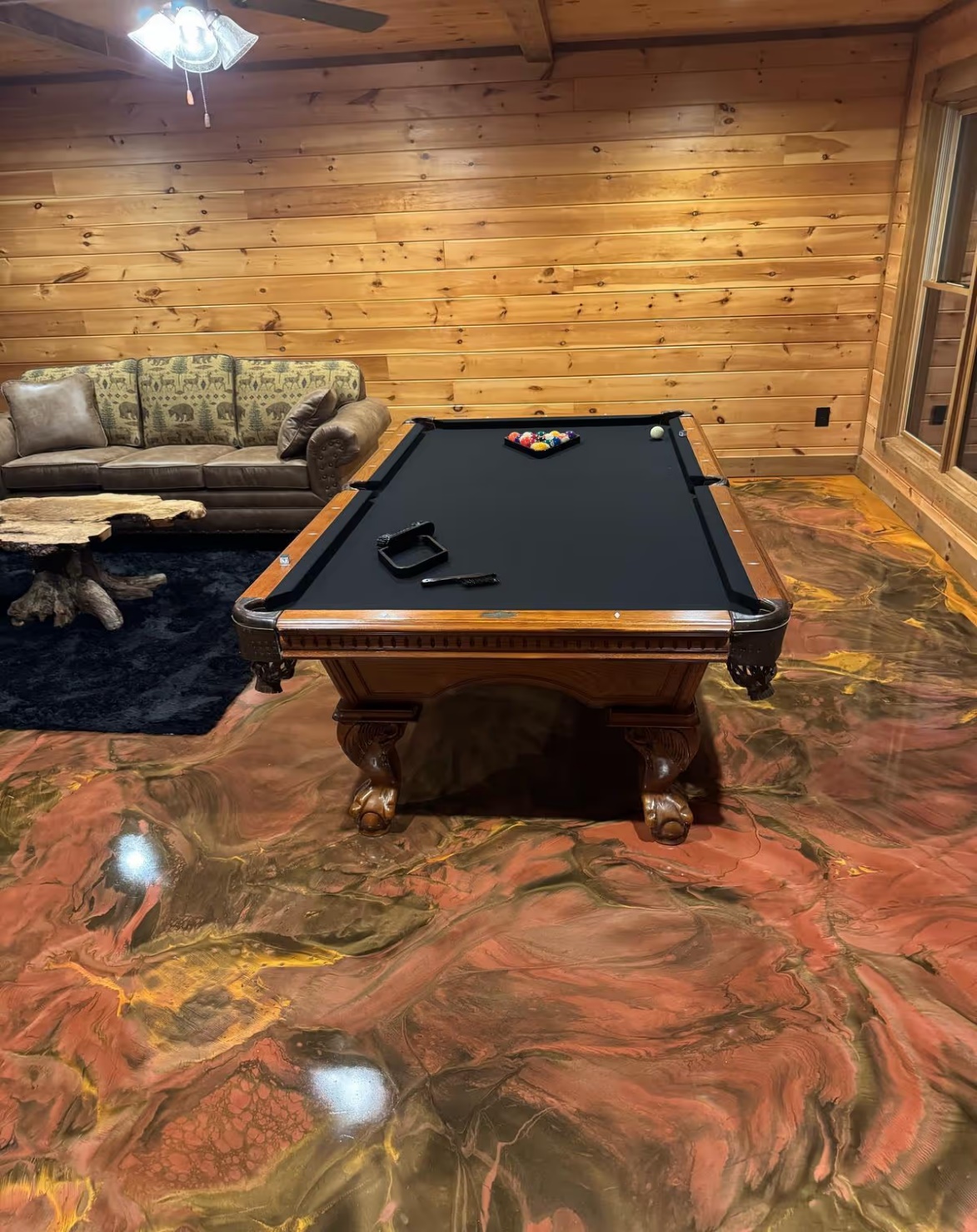
A workshop is shaped by the work performed inside it. A furniture restorer may spend hours sanding wooden surfaces, while an electronics technician handles delicate components at a small workbench. Someone repairing mechanical equipment faces different challenges. Although these activities can take place in similarly sized rooms, their requirements for flooring, equipment, cleaning, and organization are not identical.
When exploring polyaspartic flooring, workshop owners should consider the actual activities taking place rather than selecting a finish based solely on appearance. The existing concrete, substances handled, equipment used, and working conditions can all influence whether a particular flooring system is appropriate.
Furniture Restoration Creates Its Own Working Conditions
Furniture restoration often involves sanding, stripping old finishes, repairing joints, and applying new surface treatments. These activities can generate dust, debris, and potentially hazardous substances depending on the materials involved. A workshop should provide separate areas for preparation and finishing where practical. Dust-producing activities should not interfere with processes requiring cleaner working conditions.
Ventilation and appropriate dust extraction deserve attention, particularly when working with wood dust or finishing products. Flooring should be considered alongside these controls rather than treated as a substitute for them. Furniture movement also matters. Large cabinets and tables require enough clearance to be repositioned without obstructing tools or walking routes.
Electronics Work Requires Different Precautions
An electronics repair workshop may appear cleaner than a furniture restoration area, but it introduces different technical considerations. Small components, electrical equipment, soldering stations, and sensitive devices require organized workspaces. Some electronics applications may require electrostatic discharge controls. An ordinary decorative coating should not automatically be assumed suitable for environments where specific electrical properties are necessary.
Workbenches, flooring, grounding arrangements, and equipment should be assessed according to the requirements of the work being performed. Adequate task lighting and suitable ventilation for soldering activities are also important. These needs should be established before permanent workshop finishes or fixtures are selected.
Mechanical Workshops Experience Different Demands
Small mechanical workshops may handle tools, replacement components, lubricants, and equipment requiring regular maintenance. These activities can introduce different conditions from those found in creative or electronics workspaces. Storage should keep frequently used tools accessible without allowing loose equipment to accumulate across walking areas.
Spill management is another consideration. The presence of oils, cleaning agents, or other substances should be discussed when evaluating a flooring system. The appropriate surface depends on its specified performance and compatibility with the working environment. No coating should be assumed resistant to every substance or suitable for every mechanical activity.
Professional Assessment Helps Match the Floor to the Work
A workshop owner searching for epoxy floor installers near me should be prepared to explain how the space will actually be used. Useful information includes the existing concrete condition, equipment weight, cleaning procedures, expected traffic, and substances that may contact the floor.
A professional can assess the substrate and discuss flooring options according to the project requirements. Different coating systems have different preparation, application, and performance characteristics. This assessment is particularly important when a workshop contains specialized equipment or processes that create requirements beyond those of an ordinary garage.
Storage and Layout Influence Daily Efficiency
A well-arranged workshop reduces unnecessary movement between tools, materials, and active projects. However, the ideal layout depends on the type of work. Furniture restorers may need open space around large pieces, while electronics technicians often benefit from compact workstations with organized component storage.
Several practical arrangements can improve workshop functionality:
-
Dedicated work zones: Separate activities that require different working conditions.
-
Accessible tools: Store frequently used equipment close to relevant workstations.
-
Material storage: Keep supplies organized according to their handling requirements.
-
Clear walkways: Prevent tools and unfinished projects from blocking movement.
-
Flexible furniture: Use movable benches where changing projects require different layouts.
These choices can help workshops remain practical without requiring excessive permanent fixtures.
Future Activities May Change the Space
Small workshops often evolve as owners develop new skills or introduce additional services. A furniture restorer may begin offering upholstery work, while an electronics technician might add larger diagnostic equipment. Leaving some flexibility in the layout can make these changes easier to accommodate.
Permanent flooring decisions should therefore consider the likely range of activities rather than one temporary project. However, future flexibility should not override technical requirements that apply to current work. A practical workshop balances adaptability with appropriate safety, equipment, and maintenance considerations.
Conclusion
Small workshops may share similar floor plans, but their operating conditions can differ considerably. Furniture restoration, electronics repair, and mechanical work introduce distinct requirements involving dust, chemicals, electrical equipment, storage, and movement. Flooring should be evaluated according to these activities and the condition of the existing substrate rather than appearance alone. Professional assessment can help identify suitable options while allowing workshop owners to plan appropriate work zones and maintenance routines. By matching permanent improvements to actual working requirements, a workshop can remain functional as projects and equipment change.