

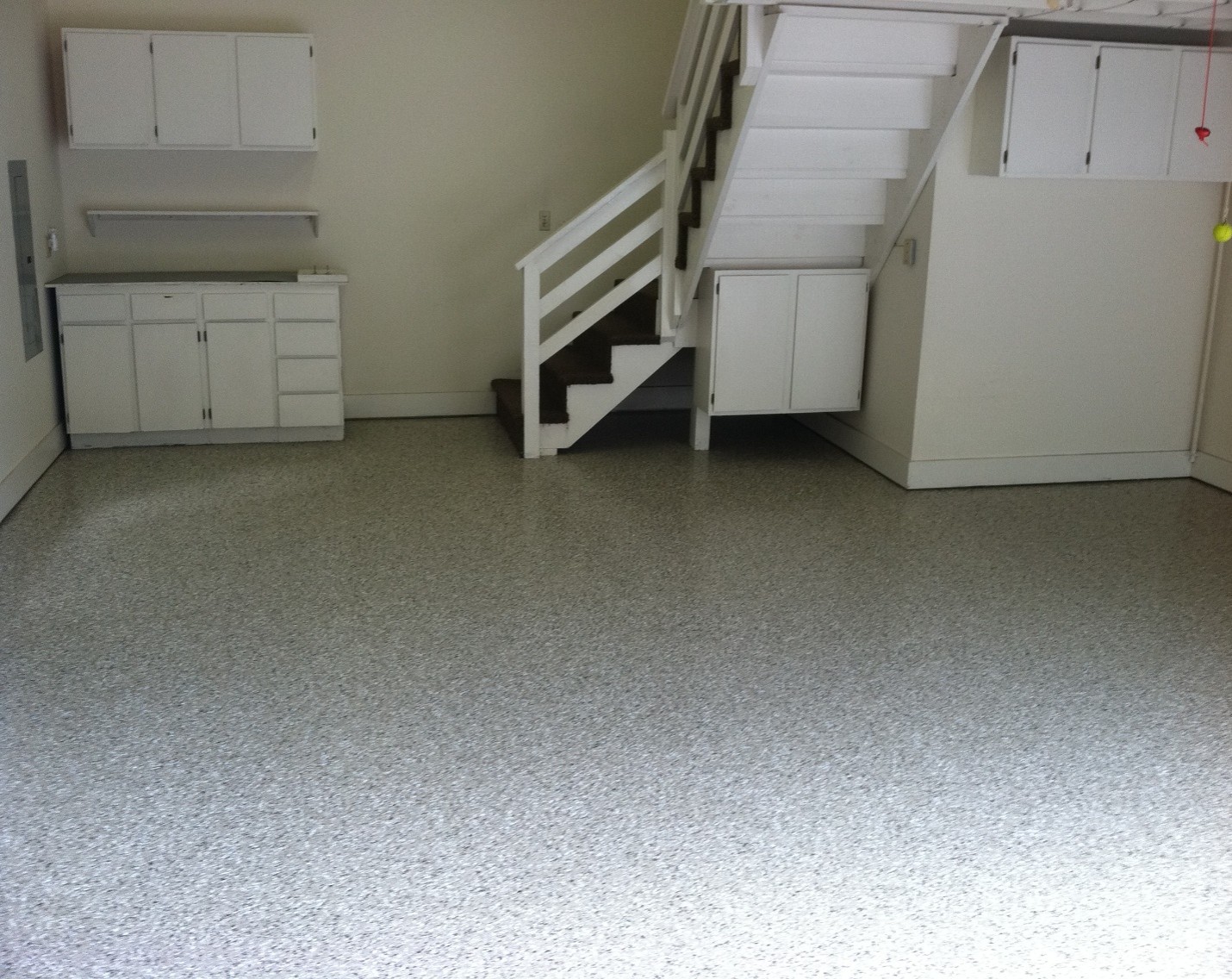
Choosing a durable floor coating usually requires sorting through several different industrial options. Most old garage spaces have stained surfaces that need a lot of physical preparation work. Liquid polymers harden in perfectly tight plastic layers over the dominant gray substrate, continuously increasing the barrier to car moisture. You should inspect the entire floor for deep structural cracks, then steer them away from messy leaks before pouring the chemicals down.
Mitigating Concrete Moisture Damage Safely
Moisture testing helps stop wet vapor from lifting up your new epoxy flooring Summerville SC, later down the road. If the slab stays wet underneath, the top chemical coating will fail completely after a few months. Diamond grinding segments grind the top laitance layer away entirely so the thick resin can grip the stone. Without doing this step properly, your expensive new finish will peel up like old masking tape.
Preparing Rough Coastal Concrete Slabs
Heavy rotary machines run over the surface multiple times to achieve the best results possible. This specific equipment can create a highly uniform look across old warehouse surfaces that have seen better days. It takes time, but doing things too fast ruins the final finish and wastes material. Protecting a heavy-duty garage floor Seneca property owners rely on demands thick coatings that tolerate dramatic mountain temperature shifts.
Choosing the Toughest Topcoat Chemical Layering
Industrial diamonds hone the slab until it reflects overhead lighting beautifully without using thick topical sealers. It looks high-end and clean for modern layouts, plus it reduces the need for constant reapplication. Slip resistance depends mostly on the specific topcoat additives you choose during the installation process. Adding tiny aluminum oxide granules gives boots something solid to grip on wet, rainy days in commercial workshop spaces.
Maintaining High-Gloss Resilient Finishes
Spills need immediate wiping with basic microfibers to avoid deep permanent stains on the surface. Harsh acidic cleaners eat into raw stone and ruin the shiny appearance over time quite easily. Stick to neutral soaps mixed with clean warm water for your daily maintenance schedule. Sand tracks inside on boots and acts exactly like sandpaper on your shiny new finish if left uncleaned.
Analyzing Total Project Material Expenses
Regular dust mopping keeps those fine abrasive particles from scratching up the shiny surface profile daily. High traffic areas naturally dull down first over several years of continuous heavy foot traffic. Thicker multi-coat systems require higher material investment upfront during installation week but last longer. Basic single broadcast applications cost significantly less but wear down much quicker under heavy forklift use over time.
Conclusion
Deciding between tough resin coats or natural diamond-honed slabs depends entirely on your environment. Exploring options at carolinaflooringspecialists.com helps clarify project costs and material lifespans for specific architectural situations. Proper preparation remains the most critical variable for long-term durability regardless of the design path you choose today. Contractors must assess the structural integrity of your base slab before delivering accurate project estimates. Contact our team today to request a comprehensive site inspection and receive a detailed professional proposal tailored specifically to your facility layout.