

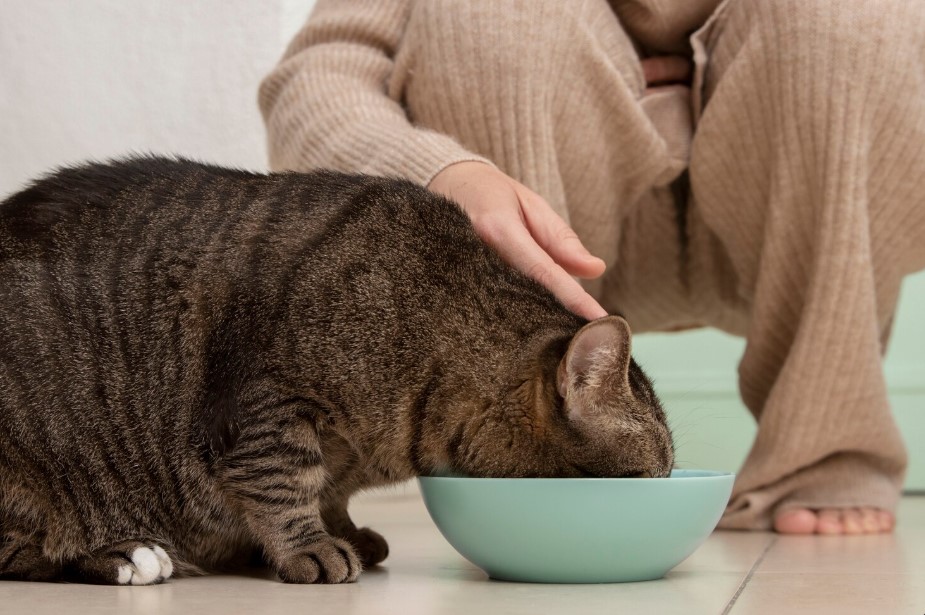
Choosing the right feeding amount for your cat is one of the most important parts of keeping them healthy, active, and emotionally balanced. With modern pet nutrition evolving rapidly in 2026, pet parents are now focusing not just on “what to feed” but also “how much to feed” based on behavior, age, and lifestyle.
This guide explains everything you need to know about feeding with IAMS cat food, including age-wise portions, weight-based feeding charts, and behavioral science-backed tips to improve your cat’s eating habits.
What is the IAMS Cat Food Feeding Guide?
Understanding feeding portions is essential because every cat has different energy needs. The IAMS cat food feeding guide is designed to help pet parents provide balanced nutrition based on weight, age, and activity level.
In 2026, feeding guidelines are no longer just about calories—they also consider digestion speed, enrichment feeding habits, and metabolic differences between indoor and outdoor cats.
A well-structured routine using IAMS cat food ensures your cat maintains a healthy weight, strong immunity, and consistent energy levels throughout the day.
How Much to Feed Your Cat by Age & Weight
Feeding your cat correctly depends on three major factors: age, body weight, and lifestyle. Let’s break it down in a practical, easy-to-follow way.
Kittens (0–12 Months)
Kittens require higher calories per pound because they are growing rapidly.
-
2–4 lbs kitten: 1/3 to 1/2 cup daily
-
5–8 lbs kitten: 1/2 to 3/4 cup daily
At this stage, IAMS cat food is often recommended in smaller, more frequent meals (3–4 times per day).
Pet behavior studies in 2026 show that structured feeding helps reduce anxiety and improves early digestion habits. Many pet parents also compare nutritional transitions with IAMS dog food when managing multi-pet households, ensuring consistent quality across species.
Adult Cats (1–7 Years)
Adult cats require balanced maintenance nutrition rather than growth-based feeding.
-
5–9 lbs cat: 1/3 to 1/2 cup daily
-
10–14 lbs cat: 1/2 to 3/4 cup daily
-
15+ lbs cat: 3/4 to 1 cup daily (adjust for activity level)
At this stage, IAMS cat food supports lean muscle maintenance and healthy metabolism. Many owners prefer structured feeding schedules (morning and evening) instead of free feeding to avoid obesity.
A recent IAMS cat food review trend among pet owners highlights improved coat shine and digestion when feeding portions are carefully controlled.
Senior Cats (7+ Years)
Older cats have slower metabolism and may require fewer calories but higher digestibility.
-
5–10 lbs senior cat: 1/4 to 1/2 cup daily
-
10+ lbs senior cat: 1/2 cup daily (adjust as needed)
Senior cats benefit from softer textures and highly digestible formulas. In many multi-pet homes, owners also shift part of their feeding routine toward lighter IAMS dog food comparisons to understand ingredient sensitivity differences.
Veterinarians in 2026 increasingly recommend smaller, nutrient-dense meals to support kidney health and joint mobility.
Benefits of Feeding IAMS Cat Food
Choosing the right nutrition brand directly impacts long-term feline health.
Key benefits include:
-
Balanced protein for muscle maintenance
-
Essential fatty acids for coat health
-
Prebiotic fiber for digestion support
-
Controlled mineral levels for urinary health
Many pet parents trust IAMS cat food because it offers consistency in formulation, making it easier to maintain long-term feeding routines.
A recurring theme in any IAMS cat food review is improved digestion and stable energy levels within a few weeks of switching.
Interestingly, households that also use IAMS dog food report similar satisfaction in cross-pet nutrition consistency, especially when managing both dogs and cats.
2026 Innovations in Pet Feeding & Behavioral Science
Pet nutrition in 2026 is no longer static—it is deeply connected to behavioral science and technology.
Smart Feeding Integration
Modern pet feeders now sync with AI-based apps that adjust portions of IAMS cat food based on activity tracking and weight monitoring.
Enrichment-Based Feeding
Behavioral experts recommend turning meals into enrichment activities using slow feeders and puzzle bowls. This reduces boredom and improves mental stimulation.
Personalized Nutrition Trends
AI-driven pet profiles now analyze breed, age, and lifestyle to recommend exact serving sizes. This is transforming how owners interpret IAMS cat food review data online, shifting focus toward personalization rather than general ratings.
Even IAMS dog food is being integrated into similar smart feeding systems, highlighting a cross-species trend in pet nutrition technology.
How to Feed IAMS Cat Food Properly (Usage Tips)
To get the best results from IAMS cat food, consistency is key.
Follow a Fixed Schedule
Feed your cat at the same time daily. Cats thrive on routine, which helps reduce anxiety and overeating.
Measure Portions Accurately
Avoid guessing. Always use a measuring cup to ensure you are feeding the right amount of IAMS cat food.
Combine Wet and Dry Food
Mixing textures improves hydration and palatability. Many owners include IAMS dog food comparisons when managing multi-pet meal planning routines.
Avoid Overfeeding Treats
Treats should not exceed 10% of daily calories.
These simple habits often lead to better results than switching brands frequently, as seen in many IAMS cat food review discussions.
Future Trends in Cat Feeding & Nutrition
The future of pet feeding is becoming more intelligent and behavior-driven.
Here are the key trends shaping 2026 and beyond:
-
AI-powered feeding recommendations based on real-time health data
-
Enrichment-first diets designed to mimic hunting behavior
-
Sustainable ingredient sourcing with lower environmental impact
-
Cross-species nutrition insights between cats and dogs using IAMS dog food benchmarks
As feeding systems evolve, IAMS cat food continues to adapt to modern pet wellness needs, focusing on both physical and emotional health.
Owners increasingly rely on structured insights from IAMS cat food review content before making purchasing decisions, especially in eCommerce environments like Kwik Pets.
Conclusion
Feeding your cat the right way is about balance, consistency, and understanding their unique needs. Whether your cat is a playful kitten, active adult, or calm senior, the right portion of IAMS cat food can significantly improve their health and happiness.
With modern advancements in pet nutrition and behavioral science, feeding is no longer guesswork—it is a guided, data-informed process. When paired with smart routines and enrichment strategies, IAMS cat food supports long-term wellness and stability.
As more pet parents explore IAMS cat food review insights and compare them with options like IAMS dog food, one thing is clear: informed feeding leads to healthier, happier pets.
FAQs
1. How much IAMS cat food should I feed my cat daily?
Most adult cats need between 1/3 to 1 cup of IAMS cat food daily depending on weight and activity level.
2. Can kittens eat IAMS cat food?
Yes, kittens can eat specially formulated IAMS cat food in smaller, frequent meals to support growth and energy needs.
3. Is IAMS cat food good for indoor cats?
Yes, indoor formulas help manage weight and digestion, as noted in many IAMS cat food review discussions.
4. Can I mix IAMS cat food with other brands?
Yes, but gradual mixing is recommended to avoid digestive issues. Some owners also compare feeding patterns with IAMS dog food in multi-pet homes.
5. What makes IAMS cat food different from other brands?
It focuses on balanced nutrition, digestibility, and long-term health support, which is why IAMS cat food review feedback is generally positive among pet owners.